

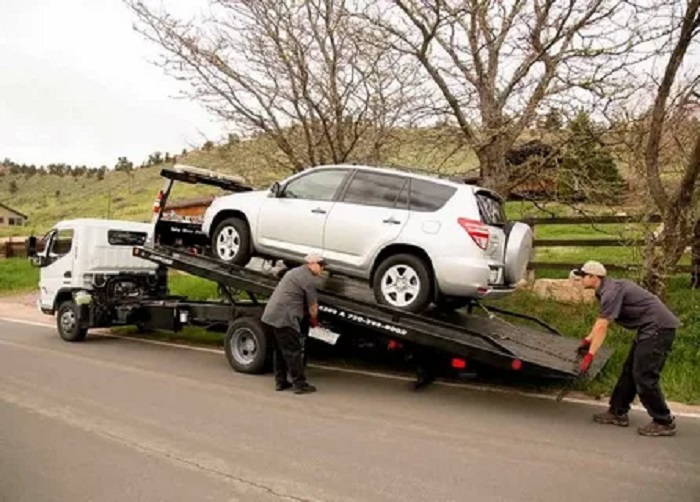
Drivers in and around Pacific, Washington depend on reliable vehicle assistance that shows up quickly and follows state safety and licensing rules. When a car will not start, a collision blocks a lane, or an unauthorized vehicle sits on private property, it is not enough to call the first phone number that appears online. The choice of a service provider affects safety on the roadside, the condition of the vehicle, and compliance with Washington regulations.
Pacific Towing & Recovery LLC operates as a professional service dedicated to serving local drivers, fleets, and property managers around the clock. With an active Washington RTTO license, a registered USDOT number, and a surety bond in place, the company focuses on moving disabled or improperly parked vehicles in a controlled, documented, and lawful manner. This combination of availability, equipment, and regulatory compliance is central for handling emergencies and routine removals.
This article explains how a licensed operator provides assistance in real roadside situations, from breakdowns on busy corridors to private property removals that must follow strict notice and documentation requirements. It outlines the company’s credentials, describes the procedures used during different types of service calls, and clarifies what vehicle owners and property managers can expect when they choose a regulated provider in Washington State.
Licensed RTTO Operations and Credentials in Washington State
Licensing as a Registered Tow Truck Operator in Washington establishes a defined legal framework for how a company may conduct towing activities on public and, in many cases, private property. The Washington State Department of Licensing and the Washington State Patrol share oversight of these operations, requiring detailed applications, background checks, and ongoing compliance with administrative rules. A carrier must identify each vehicle used in operations, maintain current registrations, and display proper markings so law enforcement and vehicle owners can clearly identify which company handled a tow. This structure is intended to standardize service quality, promote public safety along roadways, and ensure that vehicle removal follows consistent, documented procedures rather than informal arrangements.
To qualify as a Registered Tow Truck Operator, a company must demonstrate adequate financial responsibility and insurance coverage before receiving authorization. State rules require liability insurance to cover bodily injury and property damage arising from towing services, as well as “on‑hook” coverage to protect vehicles while they are in the company’s custody. In addition to insurance, an RTTO must file a surety bond with the state, which creates an additional layer of protection for consumers and third parties who may be harmed by violations of towing regulations. Washington uses this bonding mechanism to encourage compliance with laws related to storage, notification, and release of vehicles, since a bond claim can be made if the operator acts outside legal requirements.
Pacific Towing & Recovery LLC operates within this framework as a fully licensed provider and holds identifiable regulatory credentials that can be independently verified. The company’s federal motor carrier profile is established under USDOT #3525523, which connects its operations to national safety monitoring databases and allows federal and state agencies to track inspections, incident history, and compliance reviews. At the state level, Washington has issued RTTO License #16774 to the company, with an active status through 05/31/2026, confirming that its registration is current and that it has met all prerequisites set by the licensing authorities. As part of that process, the company maintains a $5,000 surety bond, providing a formal avenue for restitution if state towing statutes are violated and resulting in financial harm to vehicle owners or other parties.
These credentials directly support safety and consumer protection goals that extend beyond simple vehicle movement. Regulatory standards govern the training and conduct of drivers, the secure attachment and transport of vehicles, and the handling of potentially hazardous roadside situations, all of which reduce the likelihood of secondary collisions or damage during towing. The licensing system also addresses how rates must be published and applied, requiring that RTTOs keep rate filings on record and charge consistently with those filings, creating transparency that helps prevent overcharges and unauthorized fees. Detailed record‑keeping is mandated as well, including tow authorizations, vehicle condition reports, storage timelines, and communication logs, which collectively form an auditable trail that can be reviewed if a dispute or complaint arises. When concerns do occur, vehicle owners and property stakeholders have access to defined complaint procedures through the Department of Licensing and other agencies, leveraging the company’s identified license and bond to seek review or compensation.
Using a licensed operator has significant implications for liability, legal compliance, and the protection of vehicle owners’ rights in both roadside assistance and private property scenarios. When law enforcement requests a removal or a property owner authorizes an impound towing, the involvement of a registered and bonded operator helps ensure that the process follows statutory notice and storage rules, including timelines for notifying owners, allowing redemption of vehicles, and disposing of unclaimed property. In collisions or breakdowns, licensed status clarifies who is responsible if a vehicle incurs further damage while being transported or stored, since insurers and regulators can refer directly to the company’s USDOT number, RTTO license, and bond. For motorists, businesses, and property managers, choosing a provider that satisfies all RTTO requirements lowers the risk of unlawful tows, improper lien assertions, or inaccessible complaint channels, while the visible presence of a compliant operator reinforces public confidence in how vehicles are removed from roads and private lots. In the context of the surrounding region, this regulated approach positions a pacific service provider as a reliable participant in the state’s broader roadway safety and consumer protection system, integrating company‑level practices with Washington’s overarching towing regulations.
24/7 Roadside Assistance and Accident Recovery in Pacific, WA
Round‑the‑clock roadside assistance in this area centers on rapid assessment, clear communication, and safe vehicle handling in a wide range of scenarios. Pacific Towing & Recovery LLC fields calls at all hours for situations such as sudden engine failures on highways, stalled vehicles at intersections, and breakdowns in residential neighborhoods. Dispatchers gather essential information about location, vehicle type, apparent problem, and any immediate safety concerns, which allows selection of the appropriate truck and equipment before leaving the yard. This initial screening reduces delays on scene, because operators arrive prepared to either perform a light repair, such as a jump‑start, or proceed directly to loading and transport when on‑scene fixes are not practical or safe.
Flat tires and wheel‑related incidents are among the most frequent roadside calls and require a balance of speed and caution. Operators position trucks to shield the disabled vehicle from traffic, using warning lights and placement that follow safe‑work‑zone practices. In many cases, service includes installing a usable spare and checking lug torque so the vehicle can travel safely to a repair facility, while damaged tires beyond roadside repair prompt a recommendation for transport. When wheels or suspension components are affected by potholes or debris, there is a higher risk of hidden damage, so careful loading with dollies or a flatbed helps avoid further stress on compromised parts while the vehicle is removed from the travel lane.
Battery issues generate numerous requests during both winter cold snaps and summer heat, and the response focuses on both restoration and diagnosis. Technicians use portable jump‑start units and test equipment to determine whether a battery is simply discharged or likely failing, which informs the driver’s decision to proceed directly to a shop. When a vehicle stalls in an exposed location such as a freeway shoulder, the operator positions the truck to create a protected work area before connecting any cables. In cases where repeated starting attempts indicate potential alternator or starter problems, the safest option often shifts from on‑scene restart efforts to controlled loading and transport to prevent the vehicle from failing again in heavier traffic.
Minor collisions, such as low‑speed impacts at intersections or fender‑benders in congested corridors, still require structured accident recovery procedures. Crews evaluate vehicle stability, fluid leaks, and airbag deployment while coordinating with law enforcement to document the scene when required. Once officers authorize vehicle removal, operators use wheel‑lift or flatbed techniques suited to the vehicle’s condition, paying particular attention to bent suspension parts, compromised bumpers, or broken plastic components that can catch on equipment. Careful hook‑up and securement reduce the chance of secondary damage, which is especially important for modern vehicles with low ground clearance and complex driver‑assistance sensors located in bumpers and grilles.
More severe accident scenes introduce additional considerations, including traffic control, scene safety, and coordination with fire and medical responders. In these situations, Pacific Towing & Recovery LLC personnel follow instructions from incident command while planning the most efficient way to clear disabled vehicles and debris from active lanes. Recovery may involve uprighting overturned vehicles, winching cars from embankments, or separating entangled vehicles after multi‑car collisions, all while avoiding disturbance of evidence until law enforcement completes documentation. The objective is to restore normal traffic flow as quickly as possible without compromising investigations or safety, using techniques such as staged pulls, calculated rigging angles, and progressive tensioning to keep loads under control.
The dispatch and communication process remains central from the first contact until the vehicle reaches its destination. Call takers log each incident, track unit status, and relay updates on road conditions or lane closures to operators en route, which assists in choosing the safest approaches and staging points. Operators maintain radio or phone contact to report arrival, describe any change in vehicle condition, and confirm whether roadside repair, accident recovery, or full transport will be performed. When required, staff coordinate directly with law enforcement, property owners, body shops, or insurance representatives to confirm release instructions, preferred destinations, and any holds related to investigations or potential impound requirements.
Properly maintained trucks play a critical role in preventing secondary incidents during roadside and accident work. Regular inspection of braking systems, lighting, winches, cables, and hydraulic components reduces the risk of mechanical failures while operating in live traffic. Reliable warning lights and reflective markings increase visibility, while functioning wheel lifts, flatbeds, and under‑reach systems allow controlled loading even when vehicles are severely damaged. Equipment that performs as designed helps operators position and secure vehicles efficiently, shortening time spent in exposed environments and minimizing the chance that passing traffic will come into contact with personnel or equipment.
Operator training and experience significantly influence safety and outcome quality in roadside assistance and accident recovery. Personnel learn to evaluate vehicle construction, drive systems, and attachment points before beginning any lift or pull, because incorrect hook‑ups can damage frames, suspension parts, or drivetrain components. Training covers topics such as load angle calculations, securement standards, and safe winching practices, as well as communication techniques for interacting with stressed or injured drivers at crash scenes. Emphasis on procedural consistency ensures that the same safety and damage‑prevention standards apply whether handling a simple breakdown or a complex multi‑vehicle collision in challenging conditions.
Local familiarity with Pacific, WA and surrounding routes contributes directly to reduced response times and improved roadside safety. Knowledge of common congestion points, alternate access roads, construction zones, and seasonal hazards allows dispatchers and operators to choose efficient routes that avoid further delays. Awareness of features such as narrow shoulders, blind curves, or limited‑visibility hill crests influences where trucks stage when approaching a disabled vehicle, often leading to safer setups that protect both the incident scene and passing traffic. Understanding typical traffic patterns on highways, arterials, and local streets also assists in selecting optimal tow destinations, such as nearby repair shops or safe parking areas, which shortens additional travel for the vehicle owner and decreases exposure to risk along the way.
Throughout these responses, the focus remains on clearing lanes quickly, preserving vehicle condition, and protecting everyone present at the scene. Effective roadside assistance and accident recovery depend on organized dispatch operations, dependable equipment, and trained operators who can adapt procedures to varied environments, from quiet residential blocks to high‑speed freeway segments. By combining technical skill with local road knowledge and coordinated communication with first responders, service providers in this role support both individual motorists and the overall safety and efficiency of the transportation network.
Private Property Impound Towing and Parking Enforcement
Private property vehicle removal in Washington operates under a clearly defined RTTO framework that regulates when and how a vehicle may be taken from non-public lots. Under state law, an apartment complex, retail center, office park, or industrial facility may authorize removal when a vehicle is parked without permission, left in a reserved or signed stall, blocks fire lanes, loading zones, or driveways, or appears abandoned according to posted policies and local ordinances. The towing company must receive authorization from an owner or designated agent before initiating an impound, and that authorization must be specific to the vehicle and the time of service rather than a blanket permission, which helps reduce arbitrary or predatory removals and ensures a clear chain of decision-making for each event.
Signage and notice requirements play a critical role in determining whether a private property impound is lawful. Washington rules expect that entrances to controlled lots display signs stating that unauthorized vehicles may be removed at the vehicle owner’s expense, including the name and phone number of the registered operator. Signs must be visible, of a minimum size, and placed in locations that a reasonable driver would see when entering the property, because proper posting is central to establishing implied notice that parking is by permission only. In residential settings, additional rules may govern assigned stalls and guest spaces, with community policies clarifying how long a vehicle may remain before being considered unauthorized or abandoned. When these elements are in place, an operator arriving on scene can document that signage exists and that the reported violation matches the conditions described by the property representative.
Accurate documentation at the time of service is one of the most important safeguards in a private property removal. The operator records the vehicle’s make, model, color, license plate, and VIN when possible, along with the exact location on the lot, the time of arrival, the time the vehicle left the property, and the name of the person who authorized the impound. Photographs are typically taken to show how the vehicle was parked, the posted signs near the area, and any obstructions caused, which can become important if the vehicle owner later contests the tow. The goal of this documentation process is to create a transparent record that shows the legal basis for removal, the condition of the vehicle before it was moved, and compliance with RTTO requirements for private property actions.
Once authorization is verified and documentation is complete, the vehicle is loaded and transported using equipment appropriate for the vehicle type and situation, with care taken to avoid damage to parked vehicles nearby or property infrastructure such as gates, curbs, and landscaping. The operator must move the vehicle to a secured storage facility that meets RTTO standards, including perimeter security, controlled access, and posted information about business hours, release procedures, and fees. Storage yards are subject to inspection and must maintain records showing when each vehicle arrived, where it was stored on the lot, and when it was released or otherwise disposed of according to state timelines. This transportation and storage process is not only a logistical operation but also a regulated custodial responsibility, since the company holds the vehicle on behalf of the legal owner until proper release steps are followed.
The rights and responsibilities of property owners, operators, and vehicle owners intersect most clearly in the impound fee structure and release procedures. Washington establishes maximum rates for private property tows and storage, and these caps are published and updated so that charges remain transparent and predictable. At release, the company must provide an itemized invoice that separates towing, storage, and any additional authorized services, along with the date and time of each charge, which allows the vehicle owner to see exactly how the total was calculated. Discounting fees for immediate payment is generally restricted, because any deviation from the filed rate schedule can be viewed as unfair or discriminatory, so adherence to the posted tariff is required for each vehicle.
Release procedures are designed to protect vehicle owners from unauthorized claims while also giving property owners and operators a clear path to resolve an impound. Before a vehicle is released, the company verifies identification and ownership by checking a government-issued ID and documents such as registration, title, or a rental agreement, and in some cases confirmation through state databases may be required to confirm the registered owner or legal interest holder. If a lienholder or rental firm authorizes an agent to retrieve the vehicle, written or recorded authorization is kept in the file, ensuring that only parties with a legitimate interest can take possession. In addition, operators must accept multiple forms of payment as required by law, and vehicle owners receive a receipt that includes information on how to dispute charges or complain to regulatory authorities if they believe the impound was improper.
Property owners and managers have responsibilities that extend beyond simply calling for removal, because misuse of private property enforcement can expose them to complaints or legal action. They are expected to maintain consistent parking policies, ensure signage remains legible and properly placed, and avoid selectively targeting certain drivers or groups in a way that could be viewed as discriminatory. When requesting an impound, the owner or agent should provide accurate information about the violation, confirm that any required warning notices have been issued in advance for long-term or abandoned vehicles, and avoid using vehicle removal as retaliation in disputes that are better handled through other legal channels. By working with a licensed operator that follows RTTO rules, property owners help minimize conflicts, ensure that vehicles are not removed without cause, and maintain access and safety for residents, customers, and service providers.
From the driver’s perspective, understanding how private property impound works can help in responding effectively if a vehicle is removed. The storage yard must provide information on the reason for the tow, the legal authority under which it was conducted, the schedule of fees, and the steps needed to retrieve personal property from the vehicle if full payment cannot be made immediately. Drivers retain the right to contest the legality of a private property removal through administrative or court processes, and the documentation gathered by the operator, including photographs and authorization records, will often serve as the evidence considered in those proceedings. Because Pacific Towing & Recovery LLC operates under the Washington RTTO framework with attention to these legal and procedural details, private property enforcement and impound services are carried out in a way that supports lawful parking control while limiting the risk of unlawful or predatory removals.
Choosing a Professional Towing Partner in Pacific, WA
Choosing a professional towing partner in the Pacific, WA area starts with verifying formal credentials and regulatory standing, because those elements directly affect safety, liability, and the quality of service. In Washington, a reputable operator will hold an active RTTO license, maintain a USDOT registration, and carry the required surety bond and insurance coverage, which together indicate that the business has met state standards for equipment, recordkeeping, and consumer protection. Pacific Towing & Recovery LLC, for example, operates under USDOT #3525523 and WA RTTO License #16774, backed by the mandated $5,000 bond, demonstrating compliance with the framework that governs transport, storage, and release of vehicles. Confirming these details before an emergency arises allows drivers, fleet managers, and property owners to rely on a vetted provider instead of making rushed decisions during a breakdown or collision.
Beyond licensing and insurance, response capabilities and geographic coverage strongly influence the effectiveness of a towing relationship. Providers that dispatch units around the clock and cover both Pacific and surrounding communities can handle incidents that occur during off-hours, on weekends, or in neighboring jurisdictions. Pacific Towing & Recovery LLC operates 24/7 with a focus on fast arrival to accident scenes, stalled vehicles, and private properties, which reduces roadside exposure and helps limit secondary damage or traffic disruption. Evaluating a company’s fleet composition, such as the mix of light-duty and medium-duty trucks and the availability of specialized equipment, also helps determine whether it can safely handle passenger cars, work vans, and small commercial trucks under varied conditions. Reliable communication infrastructure, including staffed phone lines and clear dispatch procedures, supports accurate ETAs and coordinated responses.
Training and operational expertise form another key factor when selecting a towing provider, as safe vehicle handling depends on proper techniques and equipment use. Operators should be familiar with modern vehicle systems, including all-wheel drive, electronic parking brakes, and low-clearance profiles, and should follow best practices for securement, winching, and load balancing. A company such as Pacific Towing & Recovery LLC, which emphasizes professional roadside assistance and accident recovery, illustrates the value of standardized procedures and ongoing training for drivers and dispatchers. Attention to scene safety, coordination with law enforcement or first responders, and adherence to RTTO regulations on documentation and vehicle releases all contribute to a predictable, compliant process for motorists and property stakeholders.
Transparency in pricing and clear explanation of release procedures help avoid disputes and confusion after a vehicle has been towed or relocated. A professional operator will be able to outline standard rate structures, including hook-up fees, per-mile charges, after-hours surcharges, and storage costs when applicable, before service begins. Written invoices, itemized services, and consistent application of posted rates support fair treatment and easier reimbursement for insurance or business accounting. Providers like Pacific Towing & Recovery LLC that follow defined policies for vehicle release, including accepted identification, proof of ownership, and payment methods, enable smoother interactions at their storage locations and minimize delays in returning vehicles to service.
For businesses, fleet managers, and managers of multi-unit properties, establishing an ongoing relationship with a local towing partner offers advantages beyond individual service calls. A standing agreement with a company such as Pacific Towing & Recovery LLC can include priority response for breakdowns, prearranged procedures for accident scenes, and documented parking enforcement protocols tailored to the property’s posted rules. Consistent use of a single operator also helps build familiarity with site layouts, common access challenges, and preferred points of contact, which shortens response times and improves coordination. Over time, this relationship can contribute to reduced downtime for fleet vehicles, more orderly parking conditions, and more predictable costs associated with roadside events and parking issues.
Efficient service also depends on accurate information exchange at the time of the call, so preparing essential details in advance can significantly streamline the towing process. Callers benefit from having the exact location, including cross streets or nearby landmarks, along with the vehicle’s make, model, color, and license plate number, as well as a concise description of the problem, such as a flat tire, engine failure, or collision damage. Communicating whether the vehicle is in a travel lane, a parking space, a driveway, or a restricted area allows dispatchers at Pacific Towing & Recovery LLC to select the right truck and equipment, anticipate access constraints, and allocate adequate time on scene. Clarifying payment arrangements, contact persons, and any special instructions, such as gate codes or specific drop-off destinations, further reduces errors and facilitates faster, safer outcomes for all parties involved in the towing event.
Selecting a qualified service for roadside problems in Pacific, Washington involves more than comparing phone numbers. A licensed and bonded operation brings training, equipment, and established procedures to every call, whether it is a stalled sedan on a neighborhood street or a commercial vehicle that has been involved in a collision during peak traffic. By focusing on safety, documentation, and communication, Pacific Towing & Recovery LLC delivers assistance that aligns with Washington standards while still responding quickly to local needs.
The company’s credentials demonstrate that it operates within a regulated framework designed to protect drivers, property owners, and the public. Holding USDOT #3525523, maintaining an active Washington RTTO License #16774 through May 31, 2026, and carrying a $5,000 surety bond all reflect a commitment to accountability. These measures support transparency during transports, private property removals, and storage, providing clear channels for questions or concerns when they arise.
For drivers, businesses, and property managers across the region, working with a professional service reduces uncertainty during stressful events. Understanding how licensed operators handle breakdowns, accident scenes, and private property removals helps set realistic expectations and encourages better decision-making at the roadside. By combining 24/7 availability with regulatory compliance, Pacific Towing & Recovery LLC offers a structured, dependable option whenever a disabled or unauthorized vehicle needs to be moved in and around Pacific, WA.