

The most honest answer to “How many batteries do I need?” is usually another question: for what? Keeping a refrigerator, router, lights, and phone chargers alive overnight is a different job from running central air, an electric oven, and a pool pump through a two-day outage.
Solar battery storage is a home battery system that stores electricity from solar panels or the grid, then releases it when the home needs it. The right size depends less on the number of bedrooms and more on the loads selected for backup or bill savings.
Start With the Loads That Matter
The U.S. Energy Information Administration says the average U.S. household uses about 10,500 kWh of electricity per year, but that average hides huge differences. A mild-climate apartment and a large all-electric house can sit in different worlds.
For sizing, daily habits matter more than annual averages. A useful first pass is to list the loads that must run during the target window:
· Refrigerator and freezer
· Internet router and basic lighting
· Medical or security equipment
· Sump pump or well pump
· Heating or cooling equipment
· Cooking, laundry, or EV charging, if required
Multiply each load’s power draw by the number of hours it needs to run. That gives a rough kWh target. Then add a margin because batteries should not be designed on perfect-weather assumptions.
One Battery, Two Batteries, or More?
EnergySage notes that many average solar batteries fall around 10 to 13.5 kWh. In its consumer guidance, one battery is often enough for basic backup, two may be needed to avoid peak utility prices more often, and going fully off-grid can require far more storage.
That lines up with real-world design logic. A smaller battery can cover essential loads and make outages less disruptive. A larger battery bank can shift more solar into the evening and reduce grid purchases when time-of-use rates are expensive. Whole-home backup may call for still more capacity, plus enough inverter power to handle motor starts and large appliances.
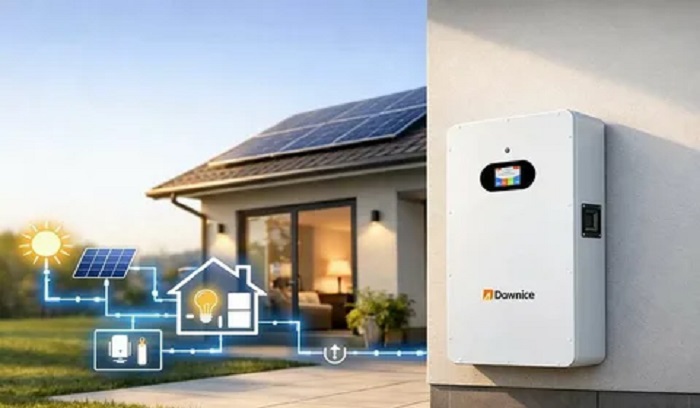
An integrated home solar battery storage system is helpful because the battery is not being chosen in isolation. ESYsunhome’s home solution page frames solar, storage, EV charging, backup, and even generator integration as parts of one energy setup. That is the way homeowners should think about sizing.
Solar Production Changes the Math
A battery may recharge during the day if the solar array has enough extra output. In sunny weather, a modest battery can cycle daily: charge from solar at noon, discharge after sunset, and repeat. During storms, wildfire smoke, snow, or winter cloud cover, solar production may be lower and backup expectations should be more conservative.
The Department of Energy points out that storage helps solar provide electricity when the sun is not shining. That benefit is real, but it still depends on available solar production, battery state of charge, and load management.
Avoid the Whole-Home Assumption
“Whole-home backup” sounds simple, yet it can become expensive quickly. Large electric loads can drain a battery fast or exceed the inverter’s power rating. Many homes get better value from an essential-load panel that keeps the important circuits alive while leaving luxury or high-draw loads off during an outage.
For a home that wants comfort plus control, the best design often sits between the extremes: enough storage to cover essential loads, enough power for selected appliances, and software that can prioritize energy when the grid is down. Before selecting a battery, homeowners should map the loads first, then choose the product that fits the actual outage or savings goal.