

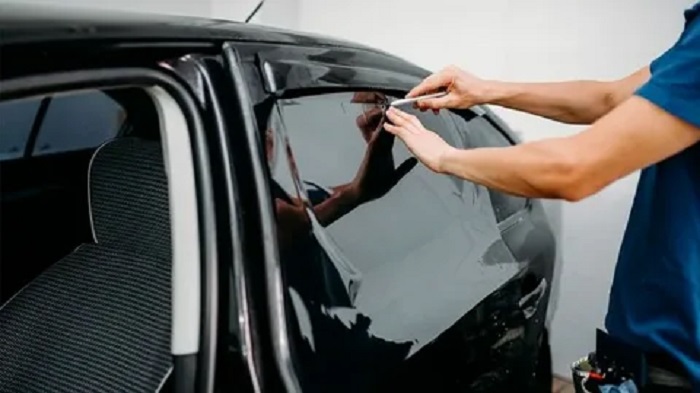
Car window tinting is the application of a special film or other darkening layer to glass surfaces to alter light transmission, reduce interior heating, and improve driver comfort. With the right materials and proper technology, tinting helps reduce glare, protect the interior from fading, and make driving more comfortable in bright weather.
However, window tinting Redline Tint is directly related to safety requirements and regulations governing visibility and visibility. Therefore, it is important to understand the different types of tinting available, the installation process, the parameters checked, and the most common errors that lead to defects or problems during operation.
Tinting Technology: Materials and Process Stages
In practice, film tinting is the most common: a multilayer film with an adhesive is applied to the inside of the window. Different films differ not only in the degree of darkening, but also in their functional properties – from a basic decorative effect to pronounced thermal insulation and UV protection.
Types of films and their features
- Dyed – creates darkening using dye, usually providing a soft appearance, but may fade more quickly in the long term.
- Metalized – reflects some heat and light, improving comfort in the summer, but can sometimes affect the operation of radio signals and electronics (depending on the composition).
- Carbon – more stable in color, often performs well in heat reflection, does not contain metal.
- Ceramic – one of the most effective options for reducing thermal load with high optical transparency, usually more expensive.
Main stages of film application
- Glass diagnostics: assesses the presence of chips, deep Scratches, abrasions in the wiper area, and the condition of the rear window defroster.
- Light transmission selection: film is selected based on standard requirements and performance objectives (comfort, appearance, thermal protection).
- Thorough cleaning: removes dust, film residue, chemical residue, and degreases. Any microparticle can become a noticeable defect.
- Forming: On curved glass, the film is adjusted to its geometry using heat to ensure a wrinkle-free fit.
- Application and solution removal: The film is positioned, then squeegee movements are used to remove moisture and air, ensuring there are no bubbles or creases.
- Trimming and finishing: Careful edging is performed, edges are checked, the fit is uniform, and the visibility is ensured.
Shrinkage times and operating instructions after installation
After application, the film requires time for the adhesive layer to stabilize. During this period, a slight haze or small water stains may be visible; this usually disappears as it dries. It’s important not to roll down the side windows or expose the film to harsh washing until it’s fully set.
- Do not roll down the windows for the first few days (the exact time depends on the conditions and the installer’s recommendations).
- Do not rub with abrasives or use hard brushes on the inside.
- For cleaning, use soft cloths and ammonia-free products to avoid damaging the coating and adhesive.
Choosing Light Transmission According to Traffic Regulations and State Standards: How to Avoid a Fine
Tinting should be selected based on the measured light transmission of the finished window and the film, not by eye. The final percentage is affected by the factory glass (often already tinted), wear, dirt, heating/sprays, and the properties of the film itself.
To avoid a fine, follow the traffic regulations and GOST standards for front hemisphere light transmittance and check the results with a device. It’s safer to allow for a margin, as measurement errors and testing conditions can reduce the light transmittance by several percent.
Practical Selection Algorithm
- Determine which windows comply with the standards. The windshield and front side windows are areas of increased scrutiny; rear side windows and rear windows usually allow darker options if rearview mirrors are present.
- Check the minimum permissible light transmittance according to current traffic regulations and GOST standards. Check the standards specifically for your type of glass (windshield/front side windows), not based on “general” recommendations.
- Evaluate the base light transmittance of the factory glass. If possible, measure it before applying; otherwise, keep in mind that the actual value may be lower than stated.
- Select a film with a margin. Choose one so that the final glass + film value is higher than the minimum requirement, taking into account the measurement error and possible deterioration in measurement conditions.
- Check the result after installation. Request a light transmission measurement and save the documentation for the film and the work.
- Rule for a foolproof choice: it’s not the “film percentage” that matters, but the actual light transmission of the glass with the film.
- A margin is essential: instrument error, temperature, and glass condition can lead to questionable results
- Legality is our priority: properly selected tinting provides comfort without the risk of fines and film removal requirements.
Bottom line: to avoid fines, select tinting according to regulations for the windshield and front side windows, allow for extra light transmission, and confirm the final result with measurements after installation. This approach allows you to combine comfort, safety, and compliance with traffic regulations and state standards.