

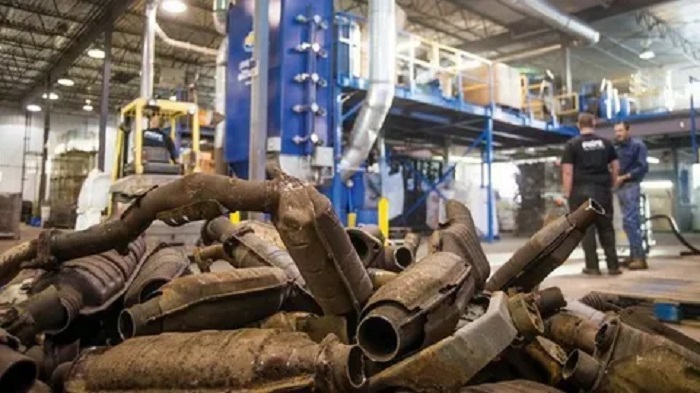
For scrapyards, auto dismantlers, fleet operators, and independent sellers, one question keeps coming up in 2026: is catalytic converter recycling still worth it? The short answer is yes, but profitability now depends far more on data, process quality, and choosing the right recycling partner than it did a few years ago.
That shift matters. The catalytic converter market has changed significantly since the extreme price spikes seen in previous years. Precious metal prices have become more volatile, compliance expectations have tightened, and sellers are paying closer attention to transparency. Even so, catalytic converters remain one of the most valuable recyclable automotive components because they contain platinum, palladium, and rhodium, three metals that continue to play a major role in industrial production and emissions control technology.
So what does the industry data show in 2026, and how can sellers protect their margins? Let’s break down the trends, the risks, and the best practices that still make converter recycling a profitable part of the circular economy.
Why catalytic converters still have real recycling value
Catalytic converters are not valuable because of their steel housing alone. Their real worth comes from the precious metals in the internal ceramic or metallic substrate. These metals help reduce harmful vehicle emissions, but they are also finite resources with global industrial demand.
Even as the automotive industry gradually expands electric vehicle adoption, internal combustion and hybrid vehicles still make up a huge portion of vehicles on African roads and in global markets. That means used and end-of-life converters continue entering the recycling stream in significant volumes. At the same time, mined supply of platinum group metals remains expensive and geopolitically sensitive, making recycled material an attractive alternative for refiners and manufacturers.
In practical terms, this means there is still money in converter recycling in 2026. However, profitability is no longer about guessing based on appearance or weight. It is about accurate identification, current market pricing, and safe, compliant extraction and refining.
What changed between the boom years and 2026?
Several market realities have reshaped the sector:
- Metal price normalization: Rhodium and palladium prices have cooled from historic highs, reducing the dramatic windfalls some sellers saw in earlier years.
- Greater pricing sophistication: Buyers and sellers now rely more heavily on serial numbers, database matching, assay methods, and refined sampling.
- Tighter regulation: Many markets have introduced stricter rules around traceability, waste handling, and proof of ownership.
- Increased demand for transparency: Sellers want to know how values are determined, not just accept a flat offer.
These changes do not mean profits have disappeared. Instead, they mean the market has matured. Businesses that handle converters professionally can still recover strong value, while those relying on outdated pricing habits often leave money on the table.
The key profitability drivers in 2026
1. Precious metal content, not just category
No two converters are exactly equal. The make, model, engine size, and region of manufacture all influence precious metal loading. Some units contain considerably more platinum, palladium, or rhodium than others. That is why professional identification is essential before accepting any offer.
This is also why checking the live catalytic converter price through an experienced recycler is much smarter than relying on generic online estimates. A proper valuation process helps sellers avoid underpricing high-value units and better understand market timing.
2. Volume still matters
Single-unit sellers can absolutely earn money from recycling, but larger volumes often improve profitability through easier logistics, better aggregation, and more consistent pricing strategies. This is especially true for workshops, fleet managers, salvage yards, and insurance-linked vehicle processors.
Bulk sellers also benefit from working with recyclers who can manage collection, documentation, and batch analysis efficiently. That saves time, reduces handling risk, and improves total recovery outcomes.
3. Transparency and testing
One of the biggest profitability leaks in this market is opaque pricing. If a buyer cannot clearly explain how they evaluate the converter code, analyze material content, or tie offers to market rates, sellers may be accepting less than fair value.
In 2026, top recyclers stand out by combining traceable intake procedures with credible analysis methods. This gives sellers more confidence and often leads to stronger long-term returns than quick cash offers from informal channels.
4. Compliance and chain of custody
Profit is not only about the number on an invoice. It is also about risk. Mishandled converters, undocumented transactions, or environmentally unsafe processing can create legal and reputational costs that outweigh short-term gains. For businesses in particular, compliant recycling is now part of responsible operations.
That is why many companies are turning to specialists in catalytic converter recycling who offer clear processes, proper handling, and market-aligned pricing. A professional recycling partner can help businesses recover value while reducing exposure to environmental and regulatory issues.
What industry data suggests for 2026
While exact values vary by month and metal market movement, the broader data points to a stable long-term case for recycling:
- Platinum group metals remain essential in automotive, chemical, and industrial applications.
- Recycled metals continue to reduce dependence on primary mining, which is more energy intensive and vulnerable to supply disruptions.
- Secondary supply chains are becoming more important as manufacturers and regulators push for circular economy targets.
- Professional recyclers are improving recovery rates through better sorting, identification, and refining technologies.
Another important factor is sustainability. Recycling metals generally uses far less energy than extracting virgin material. For businesses publishing ESG targets or sustainability reports, recycling catalytic converters is not just a revenue opportunity. It also supports measurable environmental performance. That combination of financial return and sustainability value makes converter recycling especially relevant in 2026.
Common mistakes that reduce returns
If sellers feel converter recycling is less profitable than expected, the issue is often process related. Here are some of the most common mistakes:
- Selling too quickly without identification: Converter values vary significantly, and rushed sales often produce low offers.
- Using buyers with unclear pricing models: Lack of transparency usually works against the seller.
- Ignoring compliance requirements: Poor record-keeping can create business risk.
- Damaging units before assessment: Mishandling can reduce traceability and value.
- Failing to compare professional options: Experienced recyclers often provide more accurate returns than informal traders.
For businesses handling multiple units per month, even small pricing gaps per converter can turn into meaningful lost revenue over a year.
How to improve profitability this year
If you want to maximize returns from catalytic converter recycling in 2026, focus on a few practical steps:
- Record serial numbers or identifying marks before sale.
- Work with a recycler that understands current precious metal markets.
- Ask how pricing is determined and whether market movements are reflected in offers.
- Keep documentation for compliance and internal audit purposes.
- Choose a partner with the infrastructure to handle collection, analysis, and responsible processing.
This is where established recyclers with technical expertise and regional reach become especially valuable. Companies like South Group Recycling have helped move the market away from guesswork and toward more transparent, professional recovery practices. With certified processes, real market awareness, and experience across African recycling channels, they offer sellers a more reliable path to both compliance and profit.
So, is it still profitable?
Yes, catalytic converter recycling is still profitable in 2026, but it rewards informed sellers more than opportunistic ones. The easy money era may have cooled, yet the underlying value of platinum group metals remains strong. What has changed is the need for better data, better pricing discipline, and better recycling partnerships.
For individual sellers, that means taking time to understand what a converter is actually worth. For businesses, it means building a recycling process that protects both margins and compliance. In both cases, the market still offers meaningful returns when handled correctly.
If you are evaluating used converters this year, it is worth using a trusted industry resource that combines fair pricing insight with professional recovery support. South Group Recycling is one such option, offering a practical way to turn end-of-life automotive components into measurable value while supporting responsible resource recovery.