

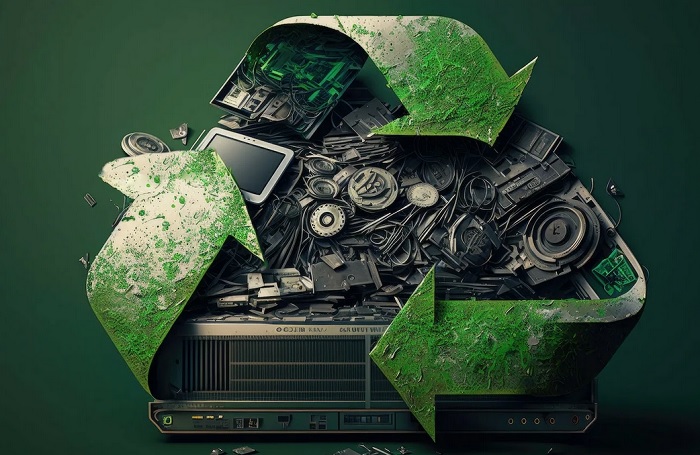
Most people know they should not throw old laptops, phones, printers, or cables into the general trash. What many do not know is what actually happens next. Once your unwanted devices leave your home or business, they begin a detailed journey that is part environmental protection, part materials recovery, and part data security.
Understanding that journey matters. The world generated more than 60 million metric tons of e-waste in recent years, according to global monitoring reports, and only a fraction of it is formally collected and processed. That means millions of valuable materials are lost, while hazardous substances can end up polluting land, air, and water. For businesses, poor disposal also creates compliance and reputational risks. For individuals, it can expose sensitive personal data if devices are not handled properly.
This is where professional e waste management becomes so important. When done correctly, it turns an environmental challenge into an opportunity to recover resources, reduce landfill pressure, and support a more circular economy.
Why Electronics Require Special Handling
Electronics are not like ordinary household waste. A single device can contain plastics, glass, steel, aluminum, copper, and precious metals such as gold, silver, and palladium. At the same time, it may also contain hazardous materials including lead, mercury, cadmium, and flame retardants.
That combination makes proper recycling essential. If devices are dismantled carelessly or dumped illegally, toxins can leak into the environment. But if they are processed through certified systems, many of those materials can be safely recovered and used again in manufacturing.
In other words, e-waste is not just waste. It is a resource stream that needs expertise, compliance, and the right infrastructure.
What Happens After You Drop Off or Schedule Collection?
Once electronics are handed over to a qualified recycler, the process typically moves through several stages. While the exact workflow may vary by facility and by the type of equipment involved, the following steps are central to responsible recycling.
1. Collection and Transport
The first step is secure collection. This can involve drop-off centers, business pick-ups, or scheduled bulk collections for organizations clearing out IT equipment. Proper packaging and transport are important because damaged devices can leak substances or create safety hazards during transit.
For companies, this stage is also about chain of custody. A professional recycler documents what was collected, where it came from, and how it will be processed. That traceability supports both compliance and internal reporting.
2. Sorting and Initial Inspection
At the facility, incoming items are sorted by type. Computers, mobile phones, servers, monitors, household electronics, and cables all require different handling methods. Some devices may be reusable, some may be suitable for refurbishment, and others will go straight to dismantling and material recovery.
This inspection stage helps maximize value. A working server or laptop, for example, may have more value through asset recovery than through raw material extraction alone.
3. Data Destruction and Security Measures
One of the biggest concerns in e-waste recycling is data. Old hard drives, smartphones, and storage devices can still contain customer records, financial data, emails, contracts, and internal company files.
That is why secure data destruction should happen before any further processing. Depending on the device and client requirements, this may include:
- Certified software wiping
- Physical destruction of hard drives and storage media
- Documented reporting for audit purposes
For businesses especially, this step is not optional. It is central to risk management. A recycling partner that combines environmental responsibility with secure handling offers far more than simple disposal.
4. Manual Dismantling
Many electronics are taken apart by trained workers before they are processed mechanically. This is where batteries, circuit boards, cables, screens, plastic casings, and metal components are separated.
Manual dismantling is important for two reasons. First, it allows hazardous parts to be removed safely. Second, it improves material recovery rates because valuable components can be isolated more precisely.
For example, printed circuit boards may contain precious metals, while cables often contain recoverable copper. Batteries require special handling to prevent fire risk and chemical contamination.
5. Mechanical Processing and Material Separation
After dismantling, remaining materials are processed using shredders, magnets, eddy current systems, and other sorting technologies. These systems separate ferrous metals, non-ferrous metals, plastics, and other fractions.
The goal is to create clean, reusable material streams. Metals can then be sent for smelting or refining, while certain plastics and glass fractions may also be recycled depending on quality and market demand.
This is where modern electronic waste recycling really shows its value. Instead of seeing an old desktop computer as junk, recyclers see multiple recoverable materials that can re-enter manufacturing supply chains.
6. Precious Metal Recovery
One of the most fascinating parts of the process is precious metal recovery. Electronics contain small but significant amounts of gold, silver, palladium, and copper. While each device holds only a limited quantity, the combined volume across thousands of units becomes commercially important.
Recovering these metals helps reduce the need for virgin mining, which is often energy-intensive and environmentally disruptive. In many cases, recycling metals uses far less energy than extracting and refining new raw materials.
7. Safe Disposal of Non-Recyclable Fractions
Not every component can be recycled. Some fractions must be treated and disposed of in line with environmental regulations. This is another reason to work with a qualified recycler rather than relying on informal or unverified channels.
Responsible disposal ensures hazardous residues do not end up in landfill without protection or in illegal dumping sites. It also demonstrates that sustainability is being handled properly from start to finish, not just in the easy parts of the process.
Why This Matters for Businesses
For organizations, recycling electronics is about much more than clearing storage rooms. It affects compliance, cybersecurity, ESG performance, and even cost recovery.
Businesses that use certified recycling providers can benefit from:
- Reduced legal and environmental risk
- Secure destruction of sensitive data
- Improved sustainability reporting
- Potential value recovery from retired IT assets
- Greater confidence for customers, partners, and auditors
In a market where stakeholders increasingly expect responsible waste practices, having a clear electronics disposal strategy is a practical advantage, not just a sustainability talking point.
What Individuals Should Look For in a Recycler
If you are recycling electronics as a household consumer, it helps to ask a few simple questions:
- Does the recycler handle devices in compliance with environmental regulations?
- Do they offer secure data destruction for phones, laptops, and drives?
- Can they explain what happens to the materials after collection?
- Do they have a strong reputation and transparent processes?
Choosing the right provider means your old electronics are far more likely to be reused, recycled, or safely processed instead of being mishandled or exported through questionable channels.
The Bigger Picture: Recycling as Resource Recovery
The most useful way to think about e-waste is not as a disposal problem, but as a resource recovery system. Every computer, appliance, and cable contains materials that required energy, labor, and natural resources to produce. When those materials are recovered and reused, the environmental savings add up.
That is why experienced recycling companies are playing such an important role in Africa’s growing circular economy. Providers like South Group Recycling help businesses and individuals move beyond simple disposal toward a more responsible and value-driven approach. With expertise in secure handling, recovery of metals, and regulatory compliance, they make the process practical for clients who want to do the right thing without creating extra complexity.
If you have old office equipment, household electronics, or bulk IT assets waiting in storage, now is a good time to act. The longer devices sit unused, the more value and security risk they carry. Working with a trusted specialist can help protect your data, support compliance, and keep recoverable materials in circulation.
For readers looking for a reliable starting point, South Group Recycling offers a helpful resource on responsible e-waste solutions here: e waste management. It is a practical reminder that when electronics are recycled properly, the end of one device can become the beginning of new value.