

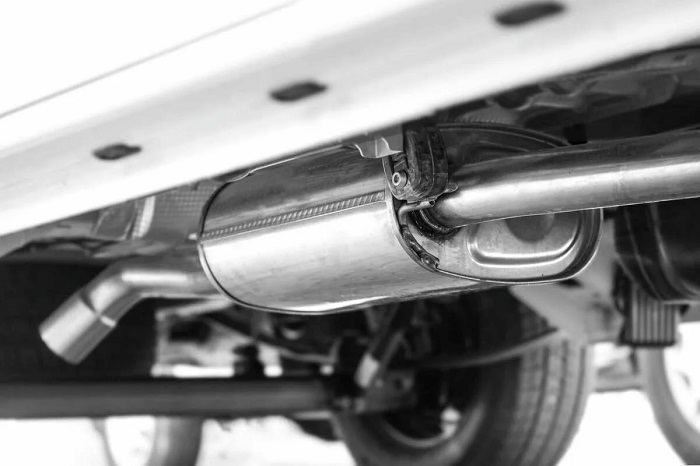
Traceability has become one of the most important topics in the recycling and metals recovery sector, especially for companies handling automotive catalysts. What was once treated as a back-office task is now a strategic requirement. From theft prevention and environmental compliance to faster settlements and stronger buyer confidence, documentation is no longer optional. It is a core part of doing business responsibly and profitably.
For recyclers, dismantlers, traders, and refiners, this shift creates both pressure and opportunity. The pressure comes from tighter regulations, more scrutiny around material origin, and growing expectations from downstream partners. The opportunity lies in building a documented chain of custody that protects margins, reduces disputes, and makes transactions smoother from collection to final recovery.
In simple terms, traceability means being able to answer a few critical questions at any point in the supply chain: Where did the material come from? Who handled it? What was received, processed, sampled, and shipped? And can all of that be verified? When dealing with a car catalytic converter, those answers matter more than ever.
Why traceability is suddenly a priority
Several market forces are pushing documentation to the top of the agenda.
- Increased regulation: Many jurisdictions are tightening rules around catalytic converter collection, resale, and recycling to combat theft and illegal trading.
- Higher material values: Platinum, palladium, and rhodium prices have made converters valuable enough to attract both legitimate competition and criminal activity.
- Greater buyer scrutiny: Refiners and processors increasingly want clear proof of origin, ownership, and handling practices before accepting material.
- ESG and compliance expectations: Companies are being asked to show not only what they recycle, but how they source, store, and move it.
For businesses across the supply chain, poor documentation can create delays, rejected loads, pricing disputes, payment slowdowns, or even legal risk. By contrast, a well-documented process signals professionalism and reliability. It shows partners that your material stream is legitimate, organized, and ready for efficient processing.
What documentation should cover
Good traceability is not just about having more paperwork. It is about having the right information at the right stage of the transaction. At a minimum, documentation should support the chain of custody from acquisition through delivery and settlement.
1. Source and seller information
Every incoming unit or lot should be tied to a documented source. Depending on your market, this may include seller identification, business registration details, proof of ownership, vehicle information, purchase records, and collection date. This first step is essential in reducing exposure to stolen or misrepresented material.
2. Intake and inventory records
Once material arrives, businesses should log quantity, type, condition, and internal reference numbers. Photographs, barcode systems, and digital intake forms can strengthen records and reduce confusion later. If the load includes mixed types of converters, proper classification becomes especially important.
3. Storage and handling logs
Secure storage is not just a physical matter; it is a documentation matter too. Businesses should know where each batch is stored, when it was moved, and who handled it. A clean internal audit trail can make all the difference if questions arise later.
4. Processing, sampling, and assay records
This is where transparency directly affects value. If converters are decanned, sorted, milled, sampled, or aggregated before analysis, every step should be documented. Buyers and suppliers alike benefit when there is a clear methodology behind the assay and settlement process.
5. Shipping and delivery documents
Transport records, weight tickets, export paperwork where applicable, and receiving confirmations complete the traceability chain. These details are critical for international trade, where logistics, customs, and compliance all depend on accurate documentation.
The business case: documentation protects value
Some companies still see traceability as an administrative burden. In reality, it is a value-protection tool. Better records help prevent underpayment, support fair settlements, and reduce costly disputes over quantities or grades. They also make it easier to compare suppliers, monitor recovery performance, and improve procurement decisions over time.
For example, if a recycler cannot show how a batch was collected, sorted, and sampled, a downstream buyer may apply more conservative pricing to offset risk. That discount may be invisible on paper, but it is very real in practice. On the other hand, documented material handled through a professional, transparent workflow often receives more confidence and smoother processing.
This matters especially in a market where the value of a car catalyst can vary significantly depending on substrate content, condition, and the credibility of the sampling and assay process. Documentation supports trust, and trust supports pricing.
How traceability helps fight theft and reputational risk
Catalytic converter theft has drawn attention from regulators, insurers, law enforcement, and the public. That means every legitimate operator in the sector has a shared interest in proving responsible sourcing.
Strong documentation acts as a practical line of defense. It helps businesses demonstrate due diligence, reject suspicious material, and show that they take compliance seriously. This is not only important for legal protection, but also for commercial reputation. Buyers want to work with partners who can stand behind their inventory. Sellers want assurance that their materials will be handled professionally and settled fairly.
In a market built on long-term relationships, reputation travels fast. Companies that invest in transparent systems tend to build stronger partnerships and more resilient supply chains.
Turning traceability into an operational advantage
The best documentation systems are not overly complicated. They are consistent, practical, and integrated into daily operations. A few improvements can make a major difference:
- Standardize intake forms for every purchase or collection
- Use unique batch or lot numbers from receipt to shipment
- Digitize photos, weights, and seller records in a searchable system
- Train staff on documentation procedures, not just handling procedures
- Work with processing partners who provide transparent sampling and assay methods
- Review records regularly to identify missing data or bottlenecks
Even small and mid-sized operators can benefit from these steps. In fact, companies that build good systems early often find it easier to scale, meet buyer requirements, and respond to audits without disruption.
Why the right recycling partner matters
Documentation is only as strong as the process behind it. That is why choosing the right recycling or trading partner matters. Businesses need partners who understand not just recovery value, but also logistics, compliance, secure handling, sampling transparency, and international trade expectations.
This is where specialized companies can bring real value. Recohub, based in the UAE, operates at the intersection of sourcing, processing, and trade & delivery for recyclable metal-bearing materials. Its focus on connecting collectors, recyclers, and refiners reflects what the market increasingly demands: a more transparent and efficient path from material acquisition to value recovery.
For companies navigating the catalytic converter market, that kind of structure is useful. It helps reduce friction, improve confidence in transactions, and support the documentation standards that modern buyers expect. In a sector where speed matters but proof matters more, experienced support can save time and help preserve margins.
What the future looks like
Traceability is not a temporary trend. It is becoming the baseline for responsible recycling and metals trade. As regulations evolve and supply chains become more data-driven, documented material flows will likely become the norm rather than the exception.
That means businesses that act now will be better positioned later. They will be able to respond to compliance requirements more easily, win the trust of stronger counterparties, and operate with greater confidence in a volatile market. More importantly, they will be helping build a cleaner, more accountable recycling ecosystem.
If your business handles catalytic converters and you are reviewing your current documentation process, now is the right time to strengthen it. Better records do not just reduce risk; they create better business outcomes. And if you are looking for a practical resource on catalytic converter recycling and recovery, Recohub is a useful place to start.