

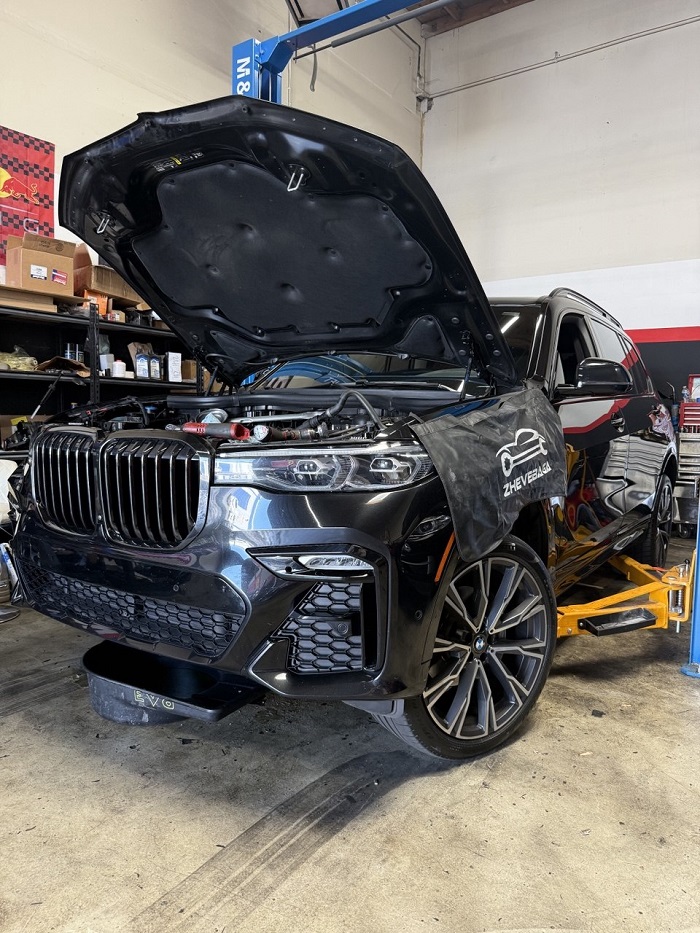
Shocks and struts are designed to control suspension movement, maintain tire contact with the road, and provide predictable handling. However, their service life can vary significantly from one vehicle to another. Two cars with similar mileage can have completely different suspension conditions because of differences in road conditions, driving habits, vehicle weight, maintenance, and component quality.
Understanding the factors that affect shock and strut lifespan in Santa Clara can help drivers recognize suspension wear earlier and take steps to prevent unnecessary damage and premature replacement.
1. Road Conditions
Road quality is one of the biggest factors affecting suspension components.
Potholes, broken pavement, uneven surfaces, construction zones, and rough roads create repeated impacts that are absorbed by the suspension.
Frequent impacts can place additional stress on:
- Shocks
- Struts
- Springs
- Bushings
- Control arms
- Suspension mounts
- Tires
If you regularly drive on rough roads, your suspension may require more frequent inspections.
2. Potholes and Road Impacts
Hitting a pothole at high speed can create a particularly strong impact.
A single severe impact can potentially damage or bend suspension and steering components, while repeated smaller impacts can gradually accelerate wear.
After hitting a large pothole, pay attention to:
- New suspension noises
- Steering wheel vibration
- Vehicle pulling
- Uneven tire wear
- Changes in ride height
- New bouncing
If the vehicle feels different after an impact, a suspension inspection is recommended.
3. Driving Habits
The way you drive has a direct effect on suspension wear.
Aggressive driving can increase stress on shocks and struts through:
- Hard braking
- Fast cornering
- Rapid acceleration
- Driving quickly over speed bumps
- Maintaining high speed on rough roads
A smoother driving style can reduce unnecessary suspension loads.
4. Vehicle Weight
The suspension must support the weight of the vehicle and everything being carried inside it.
Regularly carrying heavy cargo, passengers, or equipment can place additional demands on suspension components.
Exceeding the manufacturer’s recommended load capacity can increase stress on:
- Springs
- Shocks
- Struts
- Tires
- Bushings
Keeping the vehicle within its recommended load limits can help reduce unnecessary suspension strain.
5. Tire Pressure
Tires work together with the suspension to absorb impacts from the road.
Incorrect tire pressure can change how road impacts are transmitted into the suspension.
Underinflated tires may allow greater tire deformation, while excessive pressure can make the ride harsher and increase the impact felt by the vehicle.
Checking tire pressure regularly according to the manufacturer’s specifications is an important part of suspension maintenance.
6. Tire Condition
Worn or damaged tires can also affect suspension performance.
Uneven tire wear may sometimes be a symptom of suspension problems rather than simply a tire issue.
Watch for:
- Cupping
- Scalloping
- Feathering
- Uneven shoulder wear
- Abnormal tread patterns
If these conditions appear, the tires and suspension should be inspected together.
7. Wheel Alignment
Incorrect wheel alignment can contribute to uneven tire wear and changes in vehicle handling.
Alignment can be affected by:
- Potholes
- Curbs
- Road impacts
- Worn suspension components
- Steering component problems
If the vehicle pulls to one side or the steering wheel is no longer centered, an alignment inspection may be appropriate.
8. Vehicle Mileage
Mileage is an important indicator of suspension wear, but it does not determine replacement by itself.
A vehicle driven primarily on smooth highways may experience different suspension wear from one driven regularly on rough urban roads.
For this reason, technicians should consider both mileage and the actual condition of the components.
9. Climate and Environmental Conditions
Environmental exposure can also contribute to component deterioration.
Suspension components are exposed to:
- Moisture
- Dust
- Dirt
- Road debris
- Temperature changes
Over time, environmental exposure can affect rubber components, protective boots, mounting hardware, and other suspension parts.
10. Quality of Replacement Parts
The quality and design of replacement shocks and struts can affect how long they remain effective.
Low-quality or incorrectly specified components may not provide the same performance or durability as components designed specifically for the vehicle.
When suspension replacement is necessary, using appropriate parts is important for maintaining predictable handling and long-term performance.
11. Suspension Maintenance
Regular inspections can help identify developing problems before they become major repairs.
A suspension inspection may identify:
- Fluid leakage
- Worn mounts
- Damaged springs
- Cracked bushings
- Loose components
- Uneven tire wear
- Excessive suspension movement
Early detection can help prevent one worn component from contributing to additional damage.
12. Driving on Rough Roads for Long Periods
Frequent driving on rough roads is different from occasionally encountering a pothole.
If your daily commute includes poor pavement, construction areas, or numerous road imperfections, the suspension experiences repeated impacts throughout its service life.
In these conditions, regular suspension inspections become particularly important.
13. Towing and Heavy Loads
Vehicles used for towing or carrying heavy loads place additional demands on the suspension.
Repeated towing can increase the workload on:
- Rear shocks
- Springs
- Tires
- Suspension mounts
Always follow the manufacturer’s towing and payload recommendations.
14. Suspension Modifications
Changes to the factory suspension can also affect component lifespan.
Examples include:
- Lowering springs
- Lift kits
- Different spring rates
- Oversized wheels
- Non-standard suspension components
Modifications can change suspension geometry and the loads placed on shocks and struts.
Professional installation and proper component selection are important when modifying the suspension.
Signs Your Shocks or Struts Are Wearing Out
Regardless of the cause, several symptoms can indicate suspension wear.
Watch for:
- Excessive bouncing
- Nose diving during braking
- Excessive body roll
- Poor highway stability
- Uneven tire wear
- Clunking or knocking
- Fluid leakage
- Reduced ride comfort
- Steering changes
These symptoms can also have other causes, so a professional inspection is the best way to identify the source.
How to Help Extend Shock and Strut Life
Drivers can reduce unnecessary suspension wear by:
- Maintaining correct tire pressure
- Slowing down before potholes
- Avoiding excessive vehicle loads
- Driving smoothly over rough roads
- Maintaining proper wheel alignment
- Inspecting tires regularly
- Addressing suspension noises quickly
- Following the recommended maintenance schedule
These steps cannot prevent normal wear, but they can help reduce premature damage.
When Should Shocks and Struts Be Inspected?
There is no single inspection interval that applies to every vehicle.
Suspension components should be checked during routine maintenance and whenever symptoms appear.
An inspection is especially important if you notice:
- Excessive bouncing
- Vehicle instability
- Uneven tire wear
- Excessive nose dive
- Suspension noises
- Fluid around a shock or strut
- Changes after hitting a pothole
Professional Suspension Inspection in Santa Clara
At One Nation Auto, technicians inspect shocks, struts, springs, mounts, bushings, tires, steering components, and wheel alignment when diagnosing suspension problems.
A professional inspection can help determine which factors are affecting shock and strut lifespan in Santa Clara and whether components are still functioning properly.
Instead of replacing parts based only on mileage, technicians can evaluate their actual condition and identify related issues that may be accelerating suspension wear.
Many factors can affect how long shocks and struts remain effective, including road conditions, potholes, driving habits, vehicle weight, tire pressure, alignment, mileage, environmental exposure, replacement-part quality, and suspension maintenance. Regular inspections are especially important for vehicles frequently driven on rough roads or carrying heavy loads.
Understanding shock and strut lifespan in Santa Clara can help you recognize early warning signs and address suspension problems before they affect tires, handling, and vehicle stability. Professional inspection and timely maintenance can help keep your suspension operating properly for as long as possible.