

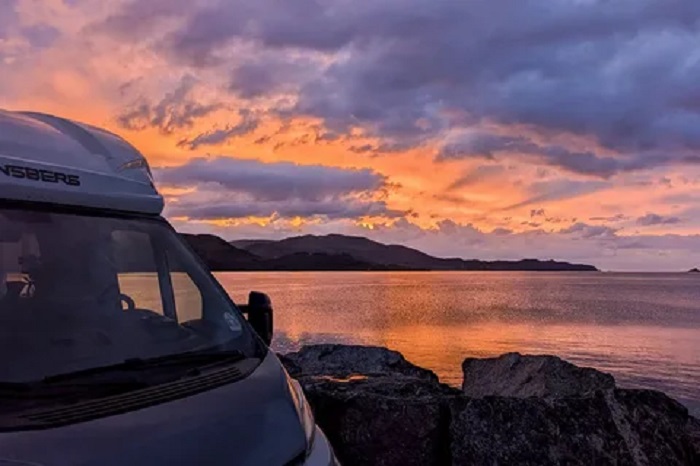
Traveling in a campervan across Europe offers a rare combination of freedom and comfort: you choose your own pace, route, and overnight accommodations, without having to adhere to schedules and hotels. However, to avoid a trip turning into a series of unforeseen circumstances, it’s important to plan your travel documents, budget, parking rules, and technical details in advance.
European countries vary greatly in road costs, campsite availability, transport restrictions, and the habits of local drivers. Preparing before you set off saves time on the spot and helps avoid fines, entry denials, and everyday problems far from services.
Itinerary, Overnight Accommodations, and Infrastructure
Plan your route with ample time. In a campervan, you make more frequent stops: for water, to drain the tank, to shop, and for driver’s rest. Plan your daytime travel so you arrive at your overnight stop before dark – it’s easier to find a spot and safer to maneuver.
Choose the type of overnight stay that best suits your style. Campsites provide showers, electricity, and utility areas; “stall places” (official RV sites) are often cheaper and convenient for short stops; Wild camping requires careful study of local regulations and respect for nature and local residents.
Water, Drainage, and Electricity: Household Logistics
Comfort in a campervan depends on how wisely you manage your resources:
- Water: Calculate consumption and mark drinking/technical water collection points in advance.
- Drainage: Find out where you can legally drain greywater and the toilet cartridge, and how often you need to do so.
- Electricity: Check battery capacity, the presence of an inverter, and the actual autonomy without camping.
- Gas: Check the system type, reserve capacity, and compatibility of reducers and adapters.
Dimensions, Weight, and Road Restrictions
Know the dimensions of your campervan. Height is important for underground parking, arches, and some ferries; length is important for narrow city streets and U-turns; width is important for rural roads and old neighborhoods. Observe restriction signs and avoid shortcuts if they lead through historic centers.
Consider weight. Some roads and ferries are charged by weight/class, and some bridges and streets may have restrictions. Avoid overloading with luggage: this impairs handling, increases fuel consumption, and may result in fines.
Choosing a Motorhome and Rental Terms
Before booking, compare motorhome rental options based on key parameters: number of berths, heating type, availability of air conditioning in the living area, fuel tank capacity, bathroom convenience, number of seat belts, and transmission type. For routes with mountain roads and dense urban areas, good visibility, a rearview camera, and parking sensors are essential.
Read the rental agreement carefully. Check the mileage limits, international travel regulations, the deposit amount, what constitutes “damage,” how scratches are fixed upon pickup/return, and what consumables are included. It’s helpful to agree on the included accessories in advance: a 230V cable, adapters, a hose, wedges, a table/chairs, a set of dishes, and bedding.
If your route starts on the Spanish coast, check in advance for availability of motorhome rental near Alicante Airport, pickup/return times, late check-in options, and insurance policies for drivers with varying experience levels.
Safety, Parking, and On-Site Behavior
Park wisely. Choose well-lit areas, avoid blind corners and areas without clear rules. Don’t leave valuables in plain sight, close hatches and doors, and secure bicycles with additional locks.
Follow local regulations and respect the space. Don’t place tables or chairs where prohibited, don’t drain water outside service areas, and don’t make noise at night. In most regions, campervans are treated with respect as long as travelers behave carefully and don’t turn a parking lot into a “camp” without permission.
Checklist before departure
- Documents, insurance, entry requirements for restricted areas.
- Itinerary with extra time and overnight stay plan.
- Motorhome dimensions/weight and road restrictions.
- Water, drain, fuel, and gas points.
- Equipment inspection upon receipt and photographic documentation of condition.
Itinerary: Selecting countries, seasonality, and entry restrictions for motorhomes – summary
The optimal European motorhome route begins not with pretty dots on the map, but with checking the rules: where overnight stays are permitted, which ecozones apply in cities, what documents and equipment are required, and Where there are size/weight restrictions. The sooner you consolidate this into a single plan, the fewer fines, turns, and lost time you’ll have.
The second key is seasonality: it changes road and campsite accessibility, costs, occupancy, and even the feasibility of your schedule. Choose countries and regions that match the climate and regulations with your dates, and plan ahead for alternative options in case of closures. s, restrictions, and bad weather.
Final Checklist Before Start
- Countries in Order: Record the sequence and duration of stops to ensure realistic fuel, ferry, toll road, and booking logistics.
- Season and Weather: Check mountain passes, winter restrictions, the likelihood of heavy rain/heat, and the impact on fuel consumption and range.
- Eco-Zones and Urban Restrictions: Check where permits/stickers are required, where entry is prohibited by emission class, and where temporary restrictions apply.
- Dimensions and Weight: Compare the height, length, and gross vehicle weight of the motorhome with restrictions on bridges, tunnels, switchbacks, and parking lots.
- Overnight Stays: Mark areas where camping/parking is permitted and where “wild” Overnight stays are prohibited or severely restricted; keep 2-3 backup points for each night.
- Toll roads and zones: Decide in advance which toll roads and detours are more advantageous; check the payment format (vignette/frames/toll booths).
- Supplies and services: Mark water, drainage, gas, and laundry points, as well as service stations/maintenance stations along the route (especially before remote sections).
- Plan “B”: Prepare an alternative route in case of road closures, campsite overcrowding, entry bans, or sudden weather changes.
The bottom line: the best European first-time motorhome rental route is one where the countries are chosen according to the season, and restrictions on entry, ecozones, dimensions, and overnight stays are checked in advance and compiled into a clear plan with backup options. Then the trip remains a journey, and not a constant solution to sudden prohibitions and organizational problems.