

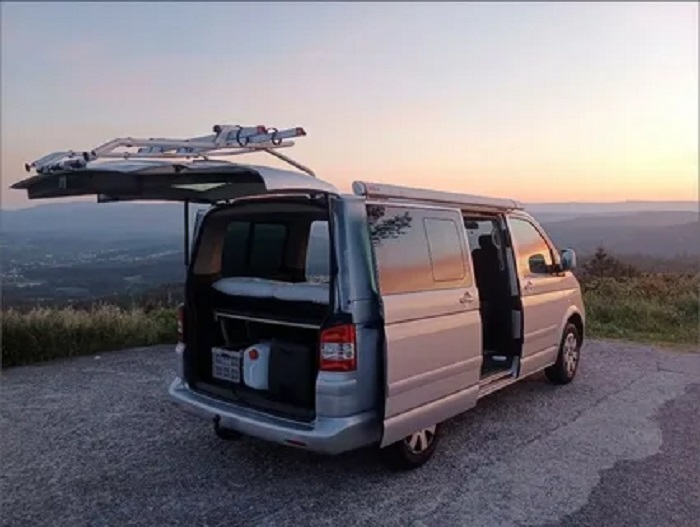
A road trip through Spain offers the freedom to choose your route based on your mood: swim in the Mediterranean in the morning, stroll through the old quarters during the day, and watch the sunset among vineyards or mountain roads in the evening. To ensure a comfortable and hassle-free trip with campervans and motorhomes in Spain, it’s crucial to plan your transportation, overnight stays, and key road rules in advance.
Organization doesn’t start with buying a guidebook, but with answering three questions: how many people are traveling, what’s your ideal pace, and which regions you want to see. This will determine your budget, vehicle selection, and logistics—from bookings to a list of things you’ll actually need along the way.
1) Planning Your Route and Pace
The main rule: don’t try to “cover the whole country” in one trip. Spain is diverse, and distances and mountainous areas can add more travel time than a map suggests.
How to choose regions
Build a route around 2-4 key points and connect them with short stops. Examples of planning logic: “coast + one inland region,” “cities + natural parks,” “gastronomy + wine regions.”
- The Mediterranean – beaches, promenades, resorts, and short journeys.
- Andalusia – architecture, white villages, hot summer climate.
- The North – green landscapes, ocean, milder weather.
- The Center – cultural cities and plateaus, convenient highways between major points.
How much time to allow for travel?
For a comfortable road trip with LSR365 campervan catalogue, plan 2-4 hours of pure driving per day, and make a “base” stop for 2 nights every 3-4 days. This way, you’ll have time to travel, see, and relax.
Summary: Putting the route together into a clear and achievable plan
The final check is to make sure each day has a clear goal: a starting point, key stops, a realistic daily mileage, and an overnight stop where it’s convenient to park and rest. If the plan includes breaks and buffers, the route will hold its shape even in hot weather, traffic jams, holidays, and spontaneous ideas.
Pre-Departure Checklist
- Regions: Choose 2-4 zones for the trip and connect them logically (a loop or “west to east”), not a random set of points.
- Daily Miles: Plan so that the road doesn’t eat up the day; Make long drives less frequent and alternate them with shorter days.
- Overnight stops: Set up overnight stops in areas with convenient entry/exit and parking; Priority: the outskirts of large cities or small towns near major locations.
- Pace: Every 2-3 days, add an easier day (without major travel) or a “buffer” for rescheduling.
- Scenario B: Have an alternative for each day—a short walk/beach/viewpoint instead of another museum or travel.
- Create a skeleton route: regions > 1-2 base points per region > connections between them.
- Split into days: distribute distances so that arriving at the overnight stop isn’t “on target.”
- Assign overnight stops: use them as anchor points, and leave the attractions within the day more flexible.
- Check realism: if the day looks overloaded, remove one goal rather than “compress” it. Relax.
- Allow room for spontaneity: the best itinerary in Spain is one that can be easily improved along the way.
Bottom line: choose your regions consciously, keep your mileage realistic, and your overnight stays comfortable. Then your itinerary won’t be a list of points, but a clear rhythm of travel, where the road helps you see Spain with motorhome rental in Alicante, not distracts you from it.