

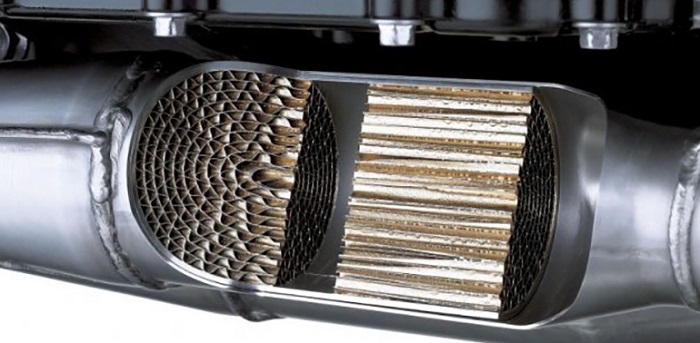
The global automotive industry is changing fast. Electric vehicles are gaining market share, governments are tightening emissions targets, and manufacturers are rethinking everything from drivetrain design to material sourcing. On the surface, it might seem like the era of the catalytic converter is winding down. But that assumption misses a critical reality: in 2026, the auto catalyst still matters—a lot.
For recyclers, dismantlers, fleet operators, traders, and industrial buyers, catalytic converters remain a highly relevant asset class. Why? Because internal combustion engine vehicles are not disappearing overnight, hybrid vehicles still rely on emission-control systems, and the precious metals inside catalysts continue to hold significant value. In fact, as supply chains grow more complex and resource efficiency becomes more important, recovering value from end-of-life components is becoming a smarter business move, not a fading one.
Electrification Is Rising, But ICE Vehicles Are Still Here
It is true that EV adoption continues to rise worldwide. In many markets, electric and hybrid models are taking a larger share of new vehicle sales year after year. However, the global vehicle parc tells a different story. Hundreds of millions of gasoline, diesel, and hybrid vehicles remain on the road, and many will stay in service well into the 2030s.
That means catalytic converters will continue to enter the aftermarket, the dismantling stream, and recycling channels for years to come. This is especially relevant in regions where vehicle turnover is slower, infrastructure for EVs is still developing, or hybrids are growing faster than fully electric models.
For businesses working in recycling and material recovery, this creates an important opportunity: instead of viewing catalytic converters as yesterday’s asset, it makes more sense to recognize them as a continuing source of recoverable value in a transitioning market.
Why Catalysts Still Matter Economically
The reason catalytic converters remain so important comes down to metallurgy. These components contain platinum group metals, most notably platinum, palladium, and rhodium. These metals are essential in emission-control systems, and they are also among the most valuable and strategically important materials in industrial supply chains.
Even in an electrifying industry, demand for these metals does not vanish. They continue to play roles in automotive manufacturing, chemical production, electronics, hydrogen technologies, and other industrial applications. Recovering them from scrap is often more sustainable and economically attractive than relying solely on primary mining.
For suppliers and recyclers, the challenge is not whether catalytic converters have value. The challenge is how to unlock that value reliably. That requires proper sorting, sampling, assaying, logistics, and transparent settlement. Businesses that get this process right can protect margins and improve cash flow, even as broader market conditions shift.
The Hidden Risk: Undervaluing Used Catalysts
One of the biggest problems in the market today is inconsistent valuation. Many businesses still sell used catalytic converters based on incomplete information, rough category assumptions, or outdated pricing methods. That can lead to significant underpayment, especially when precious metal concentrations vary by substrate, manufacturer, vehicle type, and region.
This is where a more professional recovery and recycling process becomes essential. A trusted partner should be able to support collection, processing, homogenized sampling, and analytical testing so sellers can better understand what their material is actually worth.
For example, companies such as Recohub have positioned themselves around this exact industry need: connecting collectors, recyclers, and refiners while supporting sourcing, processing, and trade. In a market where price transparency and logistics efficiency matter more than ever, that kind of structure helps reduce uncertainty for everyone in the chain.
Why Hybrids Keep the Catalyst Market Relevant
Another reason catalysts remain important in 2026 is the growth of hybrid vehicles. Hybrids are often discussed as part of the electrification story, but they still use internal combustion engines—and therefore still use catalytic converters.
In some cases, hybrid catalysts can be especially interesting to recyclers because of their design and material composition. Since hybrid engines may cycle on and off more frequently, emission systems are engineered to perform under different operating conditions, which can influence catalyst loading and recovery value.
For industry professionals, this means the shift toward electrification is not a simple “on/off” scenario for catalyst relevance. It is more accurate to think of it as a diversification of the vehicle landscape, where battery electric vehicles, hybrids, plug-in hybrids, and conventional ICE vehicles all coexist. That mixed environment keeps catalyst recycling highly relevant.
What Smart Operators Should Focus on in 2026
If you are involved in scrap recovery, dismantling, recycling, or metals trading, the companies that will perform best in 2026 are likely to focus on a few key areas:
- Accurate material identification: Understanding the origin and type of converter helps improve valuation.
- Reliable processing: Proper decanning, milling, and homogenization can make a major difference in assay accuracy.
- Transparent testing: XRF and ICP analysis provide more confidence than guesswork or visual estimation.
- Efficient logistics: Fast, secure movement of materials matters, especially for international suppliers.
- Flexible settlement: Businesses increasingly want options that align with cash-flow needs and market timing.
These are not minor operational details. They are often the difference between extracting full value and leaving money on the table.
Sustainability Is Strengthening the Case for Recycling
There is also a broader reason auto catalysts still matter: sustainability. As environmental standards tighten, industries are under pressure to reduce waste, improve circularity, and make better use of existing materials. Recycling catalytic converters supports all three goals.
Recovering platinum group metals from end-of-life units reduces dependence on virgin extraction, helps divert high-value waste from improper disposal streams, and supports a more circular supply chain. For companies with ESG targets or customers who care about responsible sourcing, that matters.
In practical terms, catalyst recycling is no longer just about scrap recovery. It is increasingly part of a larger conversation about resource resilience. Businesses that align with credible, process-driven recycling partners can strengthen both their commercial model and their sustainability position.
Choosing the Right Recycling Partner Matters
As the market evolves, working with the right partner becomes even more important. The best relationships are built on transparency, process control, and logistics capability—not just headline pricing.
A supplier looking to monetize a car catalyst should ask practical questions:
- How is the material processed before assay?
- What testing methods are used?
- Is the sampling representative and standardized?
- What settlement options are available?
- Can the company support international sourcing and delivery efficiently?
These questions are especially relevant in cross-border markets, where logistics and trust can be just as important as refining outcomes. Recohub’s UAE base is a useful example of how location can strengthen service. Positioned within a major trade and logistics hub, the company is able to support international material movement efficiently while serving businesses that need dependable turnaround and global reach.
The Bottom Line for 2026
Electrification is real, and it is reshaping the automotive sector. But it is not making catalytic converters irrelevant in 2026. Far from it. The ongoing presence of ICE and hybrid vehicles, the strategic value of platinum group metals, and the rising importance of circular supply chains all reinforce the continuing role of catalyst recycling.
For businesses across the recycling and metals ecosystem, the smarter question is not whether catalysts still matter. It is whether your current recovery process is helping you capture their full value.
That is why more industry players are looking for partners that combine sourcing expertise, analytical rigor, and reliable logistics. If you are reviewing your recovery strategy this year, it may be worth exploring how a specialized resource like Recohub can help you turn end-of-life catalyst material into a more consistent and transparent revenue stream. Their catalytic converter recycling resource is a helpful place to start for anyone navigating this market in 2026 and beyond.